Smart Productivity: How to Work Smarter Without Working Longer1

 Priyank gandhi
Summarize this blog post with:
Working smarter is not about completing more tasks or extending your working hours. It is about directing your energy toward activities that create meaningful results. By prioritizing important work, reducing distractions, using technology effectively, and maintaining a balanced routine, you can improve productivity without sacrificing personal time. Remember, consistent progress is more valuable than constant activity.
In today's fast-paced professional environment, being busy does not necessarily mean being productive. Many people spend hours responding to emails, attending meetings, and completing routine tasks without making meaningful progress toward their most important goals.
Smart productivity is about working with intention, prioritizing valuable activities, and making better use of available resources. Instead of increasing working hours, the focus should be on improving how work gets done.
Being busy means having a full schedule. Being productive means making measurable progress.
For example, spending an entire morning switching between emails and notifications may create the feeling of being occupied. However, completing one important project milestone without distractions can deliver much greater value.
The key is to evaluate your work based on outcomes rather than the number of tasks completed.
Start each day by identifying the three most important tasks that require your attention.
Complete high-priority activities before moving on to smaller administrative responsibilities.
Time blocking involves assigning specific periods of your day to particular activities.
For example, you could reserve your morning for focused work, schedule meetings in the afternoon, and dedicate the final part of your day to planning.
This approach reduces unnecessary context switching.
Constant notifications can interrupt concentration and make simple tasks take longer than necessary.
Consider disabling non-essential notifications, limiting social media usage, and checking emails at scheduled intervals.
Technology can eliminate many repetitive administrative tasks.
Automation tools can help manage workflows, organize information, send notifications, and simplify routine processes.
This allows professionals to spend more time on activities that require creativity and critical thinking.
Working continuously does not guarantee better results.
Short breaks provide an opportunity to refresh your attention and maintain energy throughout the day.
A sustainable productivity routine should include time for rest and recovery.
Digital tools have transformed how individuals and businesses organize their work.
Project management platforms help teams track responsibilities, collaboration tools simplify communication, and artificial intelligence can assist with research, content creation, and repetitive workflows.
However, using too many tools can create unnecessary complexity.
The best approach is to select technology based on actual business needs rather than adopting every new application available.
Productivity should not depend entirely on motivation.
Create a simple system that includes clear daily priorities, realistic deadlines, regular progress reviews, and sufficient recovery time.
Review your progress at the end of each week. Identify what worked, what created unnecessary delays, and what can be improved.
Over time, these small adjustments can significantly improve your working habits.
Working smarter is not about completing more tasks or extending your working hours. It is about directing your energy toward activities that create meaningful results.
By prioritizing important work, reducing distractions, using technology effectively, and maintaining a balanced routine, you can improve productivity without sacrificing personal time.
Remember, consistent progress is more valuable than constant activity.
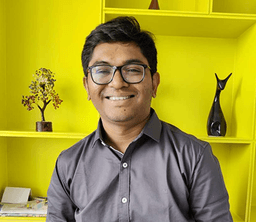
CEO & Co-founder at Codonnier
CEO & Co-founder at Codonnier. I help businesses grow and innovate through Al, automation, custom software development, and scalable digital solutions.
SaaS Web DevelopmentUI/UX Design


